• 학술대회 / Conferences
The 36th Annual Society for Animation Studies Conference
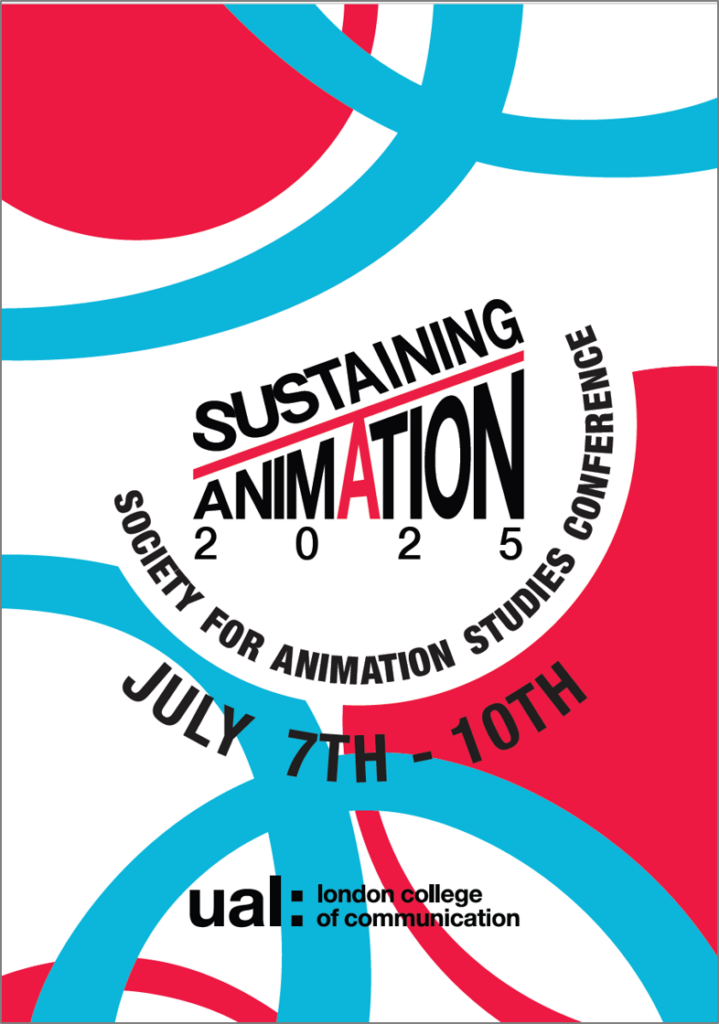
일시: 2025년 7월 7일 ~ 7월 10일
주제: Sustaining Animation
장소: UAL London College of Communication(LCC)
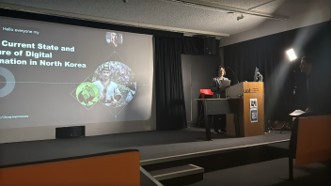
발표논문: The Current State and Future of Digital Animation in North Korea
North Korea remains one of the few socialist states following the Soviet Union’s collapse and the end of the Cold War. Its economy and culture are tightly controlled by
the Kim Il-sung family. Since the regime’s inception, animation has been a key propaganda tool. The first animated films were produced in 1960, with traditional techniques like cel and puppet animation continuing until the 1990s. Digitization began in the late 1990s with partial use of computer graphics. By 2003, North Korea produced its first entirely 2D computer-animated film, followed by its first 3D computer-animated film in 2004. Early 3D animation depicted insect and toy
characters, but by 2012, productions featuring human characters appeared. Under Kim Jong-un, traditional methods were replaced by digital techniques, with 70% of animations focusing on historical themes, especially Goguryeo, a kingdom in what existed now North Korea. These works, categorized as “historical animation,” emerged during Kim Jong-un’s era, using advanced 3D techniques to portray historical figures while glorifying the ruling family and framing Goguryeo as a foundation of North Korea’s identity. Additionally, digital animations from Kim Jong-un’s era include series initiated under Kim Jong-il, educational shorts, and animations based on fairy tales narrated by Kim Il-sung’s wife. North Korean animation has consistently followed the aesthetic of socialist realism, evident even in its 3D
digital productions. Without reforms or openness under Kim Jong-un, digital animations rooted in socialist realism and historical themes will likely continue.